What is Kinesiology Tape?
Kinesiology tape (often called "K-tape" or "KT tape") is an elastic therapeutic tape used by physical therapists, athletic trainers, and athletes worldwide. Unlike traditional athletic tape that restricts movement, kinesiology tape is designed to support muscles and joints while maintaining full range of motion.
Originally developed by Japanese chiropractor Dr. Kenzo Kase in the 1970s, kinesiology tape gained mainstream attention during the 2008 and 2012 Olympic Games when athletes showcased colorful tape patterns during competition.
📚 What Does the Research Say?
Current evidence suggests kinesiology tape may provide modest benefits for:
- Pain reduction – Multiple systematic reviews show small but significant effects on pain perception
- Proprioception – Enhanced joint position sense, particularly in ankle and knee applications
- Lymphatic drainage – Some evidence for reducing swelling post-injury or surgery
- Muscle facilitation – Mixed evidence; effects may be partly psychological
Note: Results vary by individual and application technique. K-tape works best as part of a comprehensive treatment plan.
Top 6 Kinesiology Tapes for 2025
After testing dozens of brands in clinical settings and reviewing patient feedback, here are our top recommendations for different needs and budgets.
1. KT Tape Pro Synthetic
🏆 Editor's Choice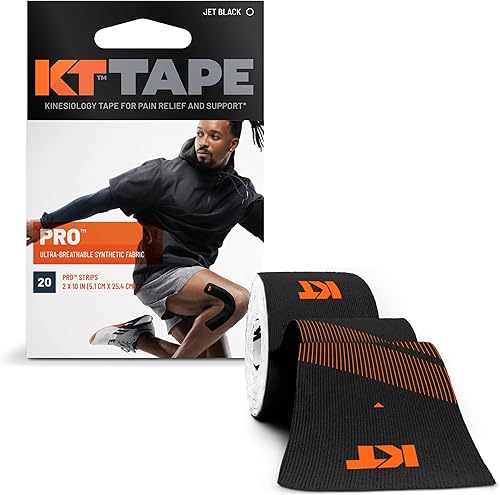
The industry standard for good reason. KT Tape Pro uses synthetic fabric that's stronger and more durable than cotton alternatives, lasting through multiple workouts, showers, and even swimming sessions.
Pros
- Superior durability and adhesion
- Pre-cut strips for easy application
- Latex-free and hypoallergenic
- Wide color selection
Cons
- Higher price point
- Some find synthetic less breathable
2. RockTape Original
👨⚕️ PT Favorite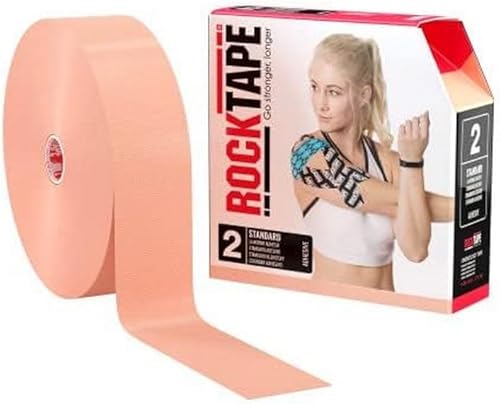
Developed specifically for athletic performance, RockTape offers superior stretch (180% vs. typical 140%) and aggressive adhesive. It's the go-to choice for many physical therapists and CrossFit athletes who need tape that won't quit during intense training.
Pros
- Extra stretch for dynamic movements
- Very strong adhesive
- Breathable cotton fabric
- Great for complex taping techniques
Cons
- Adhesive can irritate sensitive skin
- Uncut rolls require scissors
3. Sparthos Kinesiology Tape
💰 Best Value
Sparthos delivers impressive quality at a budget-friendly price point. Each roll comes uncut, giving you flexibility for custom applications. The tape uses medical-grade adhesive and performs comparably to premium brands at a fraction of the cost.
Pros
- Excellent price per roll
- Uncut for custom sizing
- Gentle on skin
- Includes e-guide
Cons
- Adhesive not as durable
- Less color options
4. Hampton Adams Kinesiology Tape
⭐ Highly Rated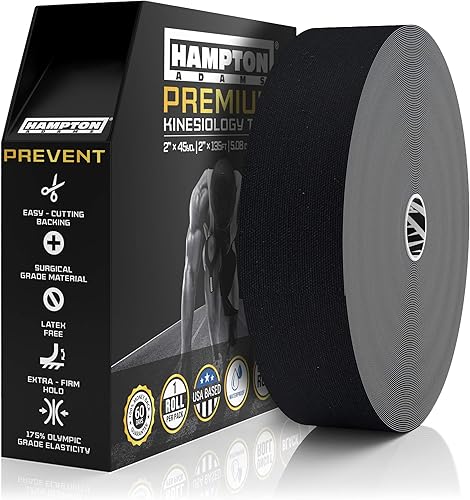
A consistent top-seller with thousands of positive reviews. Hampton Adams offers a reliable, mid-range option that balances quality and affordability. Their tape is known for comfortable wear and easy removal without leaving residue.
Pros
- Thousands of verified reviews
- Comfortable, breathable fabric
- Easy removal
- Multi-pack options available
Cons
- May peel at edges after 3+ days
- Not ideal for heavy sweating
5. Mueller Kinesiology Tape
🏥 Trusted Brand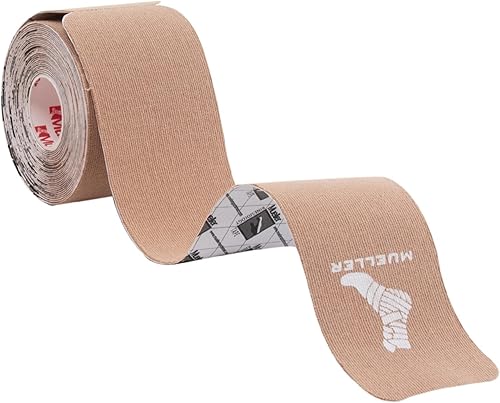
Mueller has been a trusted name in sports medicine for over 60 years. Their kinesiology tape maintains that legacy with consistent quality and reliable performance. Pre-cut strips make application quick and foolproof.
Pros
- Established sports medicine brand
- Pre-cut convenience
- Consistent quality control
- Available at most retailers
Cons
- Limited color selection
- Less stretch than competitors
6. TheraBand Kinesiology Tape
🔬 Clinical Grade
From the makers of the famous resistance bands, TheraBand's kinesiology tape is designed with clinical applications in mind. It features XactStretch technology with visual indicators to ensure proper tension during application.
Pros
- Visual stretch indicators
- Designed for clinical use
- Latex-free
- Consistent research backing
Cons
- Premium pricing
- Limited retail availability
Quick Comparison Chart
| Product | Material | Wear Time | Best For | Price Range |
|---|---|---|---|---|
| KT Tape Pro | Synthetic | 4-7 days | Swimming, heavy sweating | $$$ |
| RockTape | Cotton | 3-5 days | CrossFit, intense training | $$$ |
| Sparthos | Cotton | 3-5 days | Budget-conscious users | $ |
| Hampton Adams | Cotton | 3-5 days | General use, beginners | $$ |
| Mueller | Cotton Blend | 3-5 days | Quick pre-cut application | $$ |
| TheraBand | Cotton | 4-5 days | Clinical/PT settings | $$$ |
How to Apply Kinesiology Tape
Proper application is crucial for getting the most benefit from your kinesiology tape. Follow these steps for best results:
Preparation
- Clean the skin: Wash the area with soap and water. Remove any lotions, oils, or sweat. Completely dry skin ensures better adhesion.
- Trim hair if needed: For very hairy areas, consider trimming (not shaving) to improve tape contact and make removal less painful.
- Round the corners: If cutting your own strips, round the corners with scissors. This prevents the edges from catching on clothing and peeling up.
- Position the body part: Place the muscle/joint in a stretched position before applying tape (unless specifically instructed otherwise for your technique).
Application Steps
- Apply anchors without stretch: The first and last 1-2 inches of tape should be applied with zero stretch. These anchors keep the tape secure.
- Apply the middle with appropriate tension: Typically 25-50% stretch for support, less for lymphatic drainage. Avoid over-stretching.
- Rub to activate: After applying, rub the tape vigorously for 10-15 seconds. The heat activates the adhesive for stronger bonding.
- Wait before activity: Allow 30-60 minutes before sweating, showering, or intense activity to let the adhesive fully set.
💡 Pro Tip: The Paper-Off Technique
Tear the backing paper in the middle of the tape strip, then peel outward. This lets you handle the tape by the backing without touching the adhesive with your fingers. Oils from your hands reduce stickiness!
Physical Therapist Tips & Best Practices
🎯 Start Simple
Begin with basic "I-strip" applications before attempting complex patterns. Master the fundamentals of anchor placement and tension control first.
⏱️ Timing Matters
Apply tape at least 30 minutes before activity. For best results, apply the night before to allow the adhesive to fully cure.
🚿 Removal Tips
Remove tape slowly, pressing down on the skin while peeling back. Applying oil or removing in the shower makes it easier and less irritating.
⚠️ Know When to Stop
If you experience increased pain, skin irritation, numbness, or swelling, remove the tape immediately. These are signs of improper application or sensitivity.
📍 Common Applications
Most effective for: shoulder stability, knee support (patella tracking), ankle proprioception, postural correction, and reducing IT band friction.
🔄 Part of the Plan
K-tape works best alongside proper exercise, stretching, and rehab protocols—not as a standalone treatment. Use it to enhance your recovery program.
When Kinesiology Tape May Help
- Acute muscle strains – Support during healing while maintaining mobility
- Tendinopathies – Offloading tendons (Achilles, patellar, elbow)
- Post-surgical swelling – Lymphatic drainage techniques
- Postural issues – Cueing proper positioning
- Joint instability – Proprioceptive feedback for shoulders, ankles
- Bruising/contusions – May help reduce discoloration
When to Skip the Tape
- Open wounds, rashes, or skin infections
- Active cancer (over affected areas)
- Deep vein thrombosis (DVT)
- Known adhesive allergies
- Fragile or compromised skin (elderly, diabetes complications)
Frequently Asked Questions
How long can I wear kinesiology tape?
Most brands are designed for 3-5 days of continuous wear. Premium synthetic options like KT Tape Pro can last up to 7 days. Remove the tape if it starts peeling significantly or causes any skin irritation.
Can I shower or swim with kinesiology tape?
Yes! Quality kinesiology tape is water-resistant. Pat (don't rub) the tape dry after water exposure. Synthetic tapes handle water better than cotton varieties.
Does the color of the tape matter?
Functionally, no—all colors perform the same. The color choice is primarily aesthetic. Some practitioners follow color psychology traditions (red for stimulation, blue for calming), but there's no scientific evidence supporting different effects based on color.
Can I apply kinesiology tape myself?
Yes, many areas are accessible for self-application with practice. However, for complex techniques or hard-to-reach areas (mid-back, shoulders), having someone assist provides better results.
How is kinesiology tape different from athletic tape?
Traditional athletic tape (like white zinc oxide tape) is rigid and restricts movement—it's designed to immobilize and stabilize. Kinesiology tape stretches with your body, supporting muscles while allowing full range of motion.
Medical Disclaimer: This content is for informational purposes only and does not constitute medical advice. Consult a qualified healthcare provider before starting any new treatment. Kinesiology tape is not intended to diagnose, treat, cure, or prevent any disease.